
Why Your Track Is Not in the Charts: How Top Releases Build 30,000 TikTok Videos Before Drop Day

Most beginning (and many experienced) artists live in the illusion of a perfect release. It seems enough to write a great track, design a stylish cover, ship it to distribution and wait for Friday. After that, the algorithms on Spotify, Apple Music or Yandex Music will surely find the listener.
Friday arrives. The track drops. And — silence. No stream spike, no playlist adds, no likes. Why do top artists' tracks land in the top 100 within a day, while independent releases drown in the flood? The answer is not luck and rarely about budget. The answer is in what happens before the release.
The chart secret: a track becomes a hit before it officially drops
Open the top 20 of any country's chart. Almost 90% of those songs share one thing: by the time they officially appeared on streaming, tens of thousands of short videos in TikTok, Shorts and Reels had already been shot to them. The 20,000-30,000 UGC publication mark is not a statistic. It is an algorithm trigger.
When the track officially drops, the audience already knows the chorus by heart. They already associate the sound with a funny trend, a beautiful dance or a mood clip. People are not «trying» a new song — they go listen to what they already loved in the feed. That produces an instant stream boost in the first 24-48 hours, and streaming algorithms automatically push the track into playlists.
Sounds simple. In reality, it is a managed process called Sound Marketing.
Sound Marketing: how labels engineer «accidental» virality
Virality in 2026 is rarely accidental. It is an engineering process built in stages:
- Snippet testing. The artist or label drops 3-4 different fragments of the unreleased track on test accounts or in Stories
- Reaction analysis. They watch which fragment gives the highest retention, saves, and shares. That is the future hit fragment
- Mass seeding. The chosen fragment goes out to a network of real creators. Each one shoots their own clip on their own account: a flashmob, lip-sync, dance, or mood trend launches around a single sound
- Possible organic lift. If regular users create their own versions, that becomes an additional interest signal; further recommendations still depend on audience response
By release day, the track can already have early creative and audience-response data. A campaign can support that test, but does not guarantee chart placement.
How to pick the right snippet
This is the most underrated technical detail. Artists often grab «their favorite part» and wonder why it never blows up. A snippet works by different rules than the album version:
- Length: 7-15 seconds. That is the window for a short video to actually «play» in feed. Longer — the hook is lost, shorter — it never imprints
- Where to take it from: not the first verse. The best snippet is the strongest hook of the track: an instantly recognizable melodic or rhythmic phrase that registers in 2-3 seconds. Usually a chorus, drop, or a key lyric line
- First half-second: the snippet must start on the hook, no intro. The hook is already playing at second 0. Silence or vamp at the start = instant swipe
- Tempo: 90-130 BPM works best for dance formats, 60-90 for mood and storytelling clips. If the track sits outside these windows it is not a death sentence, but you will have to match the format to it
- Testing: shoot 2-3 different snippet variants (different moments of the track) and post each. The one with the highest completion rate in the first 48 hours is your working version for mass seeding
Snippet choice can materially affect retention, but it does not determine campaign success on its own. Even a large number of posts cannot compensate for weak audience response.
The indie trap: why emulators and bots no longer work
Understanding the mechanic, many independent artists try to reproduce it cheaply. They start buying bot networks, using emulators, and faking publications. We at KotKit once looked that way too — and quickly realized it is a dead end.
It once seemed possible to generate many clips and push them through software. But automation and artificial activity may violate platform rules and do not show genuine audience response.
Bots cannot replace genuine audience response. Artificial posts do not provide reliable data about comments, saves, duets or stitches and create platform-compliance risk.
How to launch a real wave: UGC and live people
To measure genuine audience response, content is published by real people. In KotKit, real creators pick up the track and post clips on their own accounts; organic reach is not promised.
Three steps of a proper pre-release wave:
1. Atmospheric kickoff via AI video
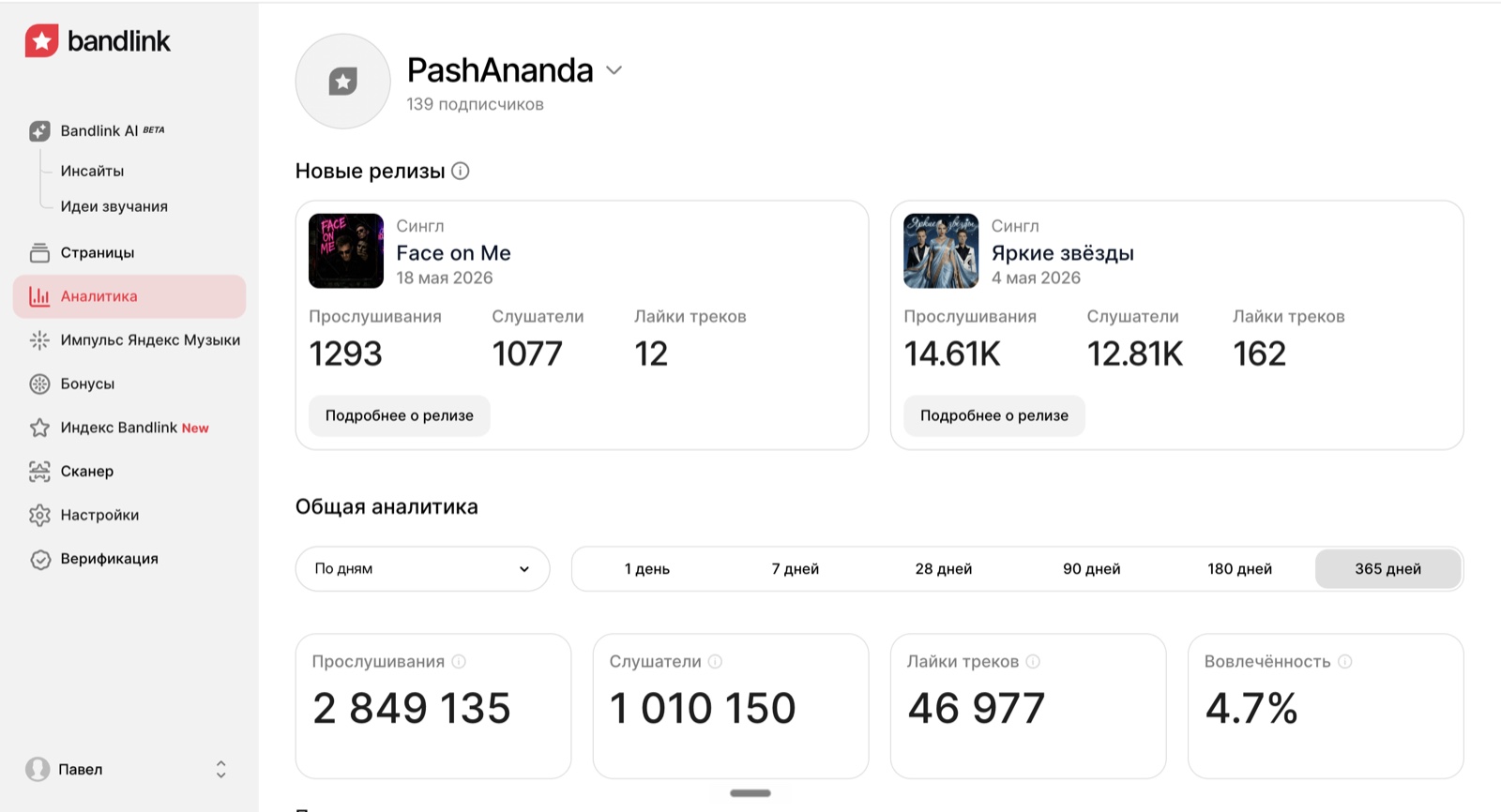
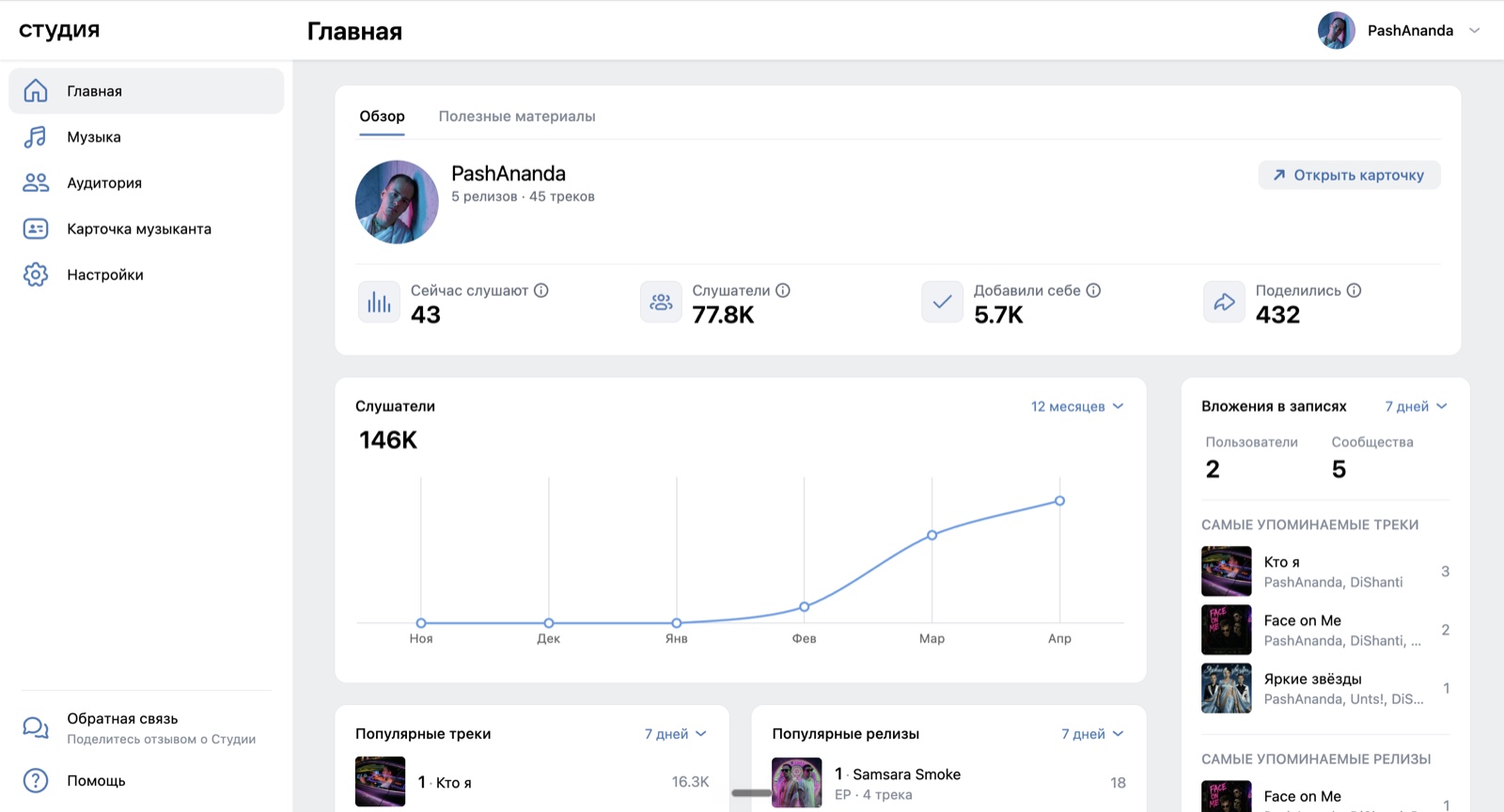
Without a budget for major bloggers, visual seeding can be tested. Atmospheric AI-generated videos do not require the artist to appear on camera and allow several approaches to be compared. In one case, posts ran during a period when the track grew to over 480,000 streams; causality was not measured separately — the full PashAnanda case study breakdown.
2. Triggering user-generated UGC
Independent user clips using the sound — lip-sync, dance, reactions and mood videos — indicate genuine interest. Several micro-accounts let you test different niches and creative styles; this may provide more data than one large post, but does not guarantee better reach.
3. Content uniqueness
Repeating one promo clip across accounts limits the number of testable hypotheses. Each creator can instead film their own version, add karaoke, change color grading, overlay text or vary the opening. Diversity helps compare formats, but does not promise equal initial distribution.
This approach lets you observe three groups of signals: publication volume, audience diversity, and organic activity. They help evaluate track response, but the exact recommendation logic remains private.
The takeaway: do not wait for a miracle — launch the wave
Streaming platforms are the storefront. The real fight for the listener's attention happens in short-form feeds. If you want the next release to land in the charts, start working on it 2-3 weeks before drop: test snippets, prep Sound Marketing, bet on live people.
Charts are not assembled on Friday — they are assembled on Tuesday two weeks before that.
If you want to run that kind of wave for your own track — the KotKit marketplace runs Sound Marketing on real creators' accounts: brief, seeding of 30-100 publications in the right window, content uniquification and a verifiable link to every published clip. No emulators, no bots, no «I promise I posted» — only live posts from real authors and verifiable URLs.
Related posts
Best Release Day in 2026: Friday or Weekday — What Yandex Music and VK Data Actually Say
Friday has long been the industry default, but the rules shifted in 2026. We break down how the Yandex Music, VK and TikTok algorithms react to day of week, which window delivers the most first-week streams, and when to release if you are running a UGC campaign.
Tip15 Working Short-Form Video Scripts for a Music Release
A ready content matrix for TikTok, Reels, VK Clips and Shorts. Which formats actually trigger track saves, which hooks work in the first half-second, and how to turn one track into 15 distinct video types.
TipSpotify Pitch and Countdown Pages: What Actually Works for Independent Artists
How official editorial pitch in Spotify really works, what Countdown Pages and Clips actually do, and which of these practices map cleanly onto BandLink and Yandex Music for artists outside the Spotify ecosystem.